The short answer
A D2C (direct-to-consumer) brand sells its own products to customers through its own channels — a website, an app, social media — instead of only through distributors and shops. To start one, choose a product category you understand, work out unit economics before you order stock, find a reliable manufacturer, and launch on your own store with a strong brand and a clear reason to buy.
The hard part is not building the store. It is getting customers at a cost the margin can pay for, again and again. Plan for repeat purchases from the start.
Is a D2C brand right for you?
Indian shoppers are comfortable buying from brands they found on Instagram, paying by UPI and waiting a few days for delivery. That has let small brands in audio, food, home, personal care and apparel reach the whole country without a distributor network.
D2C suits founders who think in numbers as much as in brand. You need to know your landed cost, shipping, payment fees, returns and marketing cost per order — and still make money. Category knowledge helps: sourcing, quality control and what customers actually complain about.
The hard parts: advertising costs rise as you scale, COD refusals and returns eat margin, and a hit product invites copies. Brands that last build loyalty through product quality, packaging, service and community, not discounts.
Before you spend on stock, write down three numbers: what a customer pays, what the product costs you delivered to their door including returns, and what you can afford to spend to win that customer. If the third number is smaller than what ads and creators actually cost in your category, you need a higher price, a cheaper product, or repeat purchases built in.
Business models to choose from
| Model | How it works | Suits |
|---|---|---|
| Own store first | Your website is the main channel; social media and ads bring traffic. | Brands with a strong story and margins that can pay for marketing |
| Own store plus marketplaces | Your site builds the brand; marketplaces add reach for search-led buyers. | Most brands after the first few months |
| Subscriptions and refills | Customers subscribe for regular delivery of consumables. | Coffee, personal care, pet food, supplements |
| Drops and limited runs | Small batches released on a schedule, building anticipation. | Electronics accessories, sneakers, streetwear |
| Omnichannel later | Kiosks, stores or modern trade after online demand is proven. | Brands with repeat demand and capital |
Licences and registrations
| Registration | Why you need it | Where you get it |
|---|---|---|
| Company or LLP | A separate legal entity helps with investors, contracts and liability. | Ministry of Corporate Affairs, through a CA or CS |
| GST registration | Online sellers generally need a GSTIN; confirm current rules with a CA. | GST portal |
| Trademark | Your brand is your main asset in D2C; protect the name and logo. | Indian trademark registry, via a trademark attorney |
| Legal Metrology declarations | Packaged goods need declarations such as MRP, net quantity, maker or importer and customer-care details. | Follow the packaging rules; state Legal Metrology department |
| Product-specific approvals | Some categories need their own approvals — for example BIS certification for many electronics, food licences for food, cosmetics licensing for beauty. | BIS, FSSAI, CDSCO or state authorities, depending on the product |
| IEC | Needed to import components or finished goods. | DGFT portal |
What you need depends heavily on the product. Check category rules before you place a production order, and confirm with a CA or lawyer. Not legal advice.
What it costs to start
Assumptions: one hero product with 2–3 variants, made or imported in a first batch, sold on your own store with simple brand work. A larger setup adds a wider range, custom packaging and a custom store with an app.
| Item | Small start | Larger setup |
|---|---|---|
| Product development and samples | ₹50,000–2 lakh | ₹3–10 lakh |
| First inventory | ₹2–6 lakh | ₹15–50 lakh |
| Brand identity and packaging | ₹50,000–2 lakh | ₹4–10 lakh |
| Online store | ₹30,000–1.5 lakh (hosted) | ₹8–25 lakh (custom store + app) |
| Content and launch marketing | ₹1–3 lakh | ₹8–25 lakh |
| Certifications, legal and trademark | ₹25,000–1 lakh | ₹1–5 lakh |
These are estimates to plan with, not quotes. Certification needs and minimum order quantities can change them a lot. Our app cost guide explains what moves the store and app price.
Step by step: from idea to first customer
- Pick a category you understand and a specific customer problem within it.
- Build a unit-economics sheet: landed cost, packaging, shipping, payment fees, expected returns and marketing per order.
- Find two or three manufacturers, order samples and test them hard.
- Check which certifications your product needs before you commit to production.
- Register the company, GST and trademark; open a current account.
- Design the brand and packaging, including all required label details.
- Build a simple store with UPI and COD, and fast pages on mobile data.
- Collect a waitlist with content that explains the problem you solve.
- Launch a small first batch to the waitlist and early creators.
- Read every review and support message; fix the product and the page.
- Scale only the channels where a customer pays back within a few orders.
Running it day to day
Supply. Keep a second supplier in view for critical parts. Quality-check incoming batches before they reach customers.
Inventory. Forecast from real sell-through. Stock-outs during a festival sale cost more than slightly higher stock.
Returns and RTO. Verify COD orders by WhatsApp or a call before dispatch, nudge prepaid UPI, and track returns by reason so you can fix the cause.
Packaging and unboxing. In D2C, the box is your shop front. Protective, branded and simple to open beats expensive and wasteful.
Support. Warranty claims, delivery delays and how-to questions need a shared inbox and clear replies. Read our WhatsApp guide.
Cash. Stock, ads and payment settlement cycles compete for the same money. Review cash weekly.
Data. Look at repeat rate, return rate by product and cost to acquire a customer every week, not only revenue. A D2C brand that sells a lot but rarely sells twice to the same person is renting its growth.
Getting your first customers
- Content. Short videos showing the product solving the problem, made by you and by creators who use it.
- Drops. Limited first runs with a countdown give people a reason to act now.
- WhatsApp and email. Your list is the cheapest channel you will ever have.
- Marketplaces. Useful for search demand once reviews exist.
- Exhibitions and pop-ups. Physical trial for products people need to touch or hear.
The tech you need
Start with a hosted store, UPI and COD, a shipping partner integration and a support inbox. As you grow: a custom storefront that loads fast, drops with countdowns, a companion app if the product needs one, warranty registration and a dashboard for stock and orders.
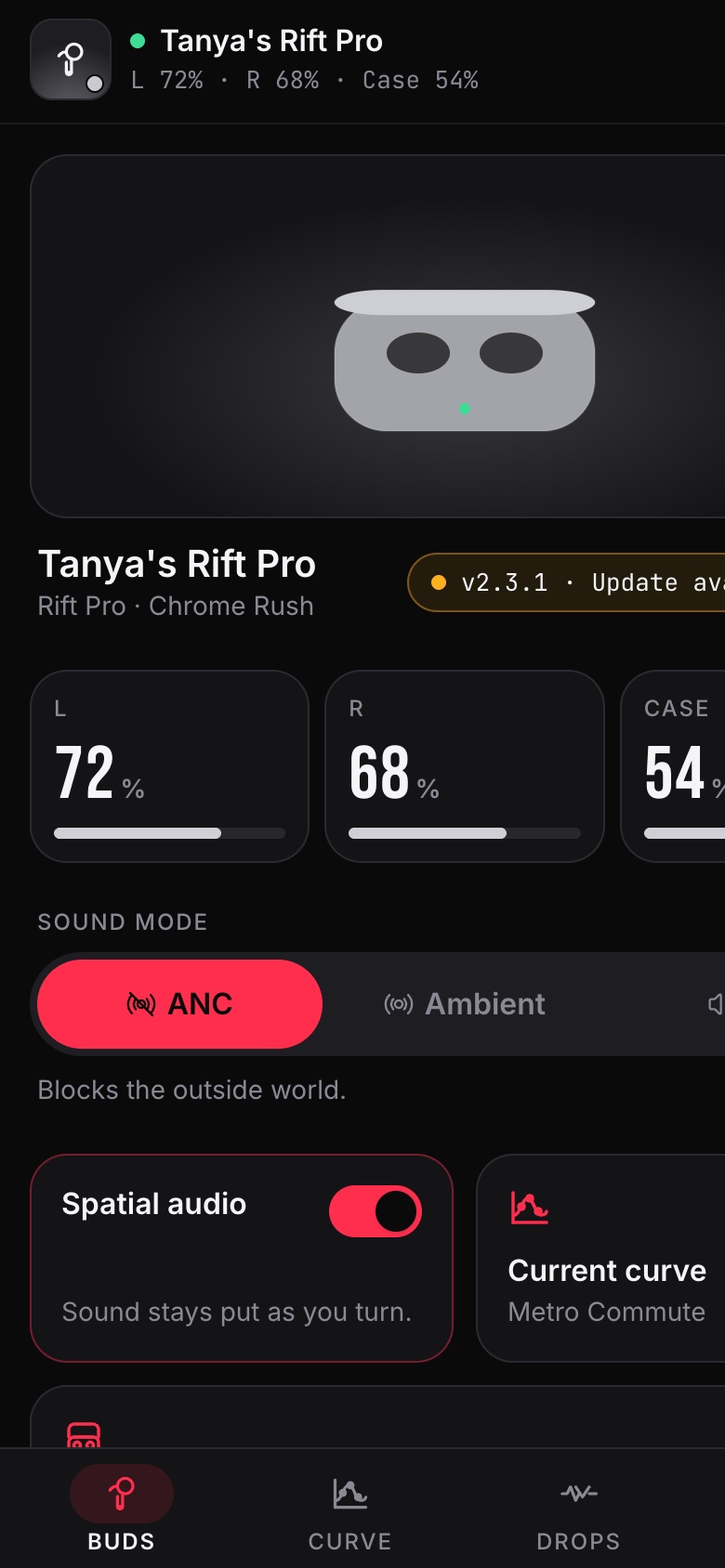
Our concept build Bassline is a D2C audio brand with a web store, a companion app and an unboxing system — an example of every side a product brand needs. See ecommerce websites, website, app or both and how to build an MVP. For apparel specifically, read how to start a clothing brand.
See the app a D2C brand runs on
We designed and built this concept end to end, every side of it, so you can open it and try it before you plan your own. Our ecommerce website page covers the features, timeline and what moves the cost.
Questions people ask
What is a D2C brand?
A direct-to-consumer brand sells its own products straight to customers through its own website, app or social channels, rather than only through distributors and retailers. It keeps more margin and owns the customer relationship, but it has to bring its own customers and handle delivery and support.
How much does it cost to start a D2C brand in India?
A single hero product with a hosted store can often launch for ₹5–15 lakh, covering samples, first stock, branding and early marketing. A wider range with a custom store and app can need ₹40 lakh or more. These are ballparks; product category and minimum orders move the number most.
Do D2C brands need GST registration?
Online sellers generally need GST registration, and payment gateways and marketplaces usually ask for a GSTIN. Your product may also need category approvals, such as BIS for many electronics or FSSAI for food. Confirm the full list with a CA before launch.
Should a D2C brand build an app?
Usually not at first. A fast website handles discovery and checkout. An app makes sense when customers buy often, when the product needs a companion app, or when you run drops and loyalty for a large repeat base. Our guide on website, app or both explains the trade-off.
How do D2C brands reduce COD returns?
Confirm COD orders before dispatch, offer a small benefit for prepaid UPI, show clear delivery times, and write product pages that set honest expectations. Track every return by reason and fix the cause — usually sizing, damage or a page that over-promised.


